
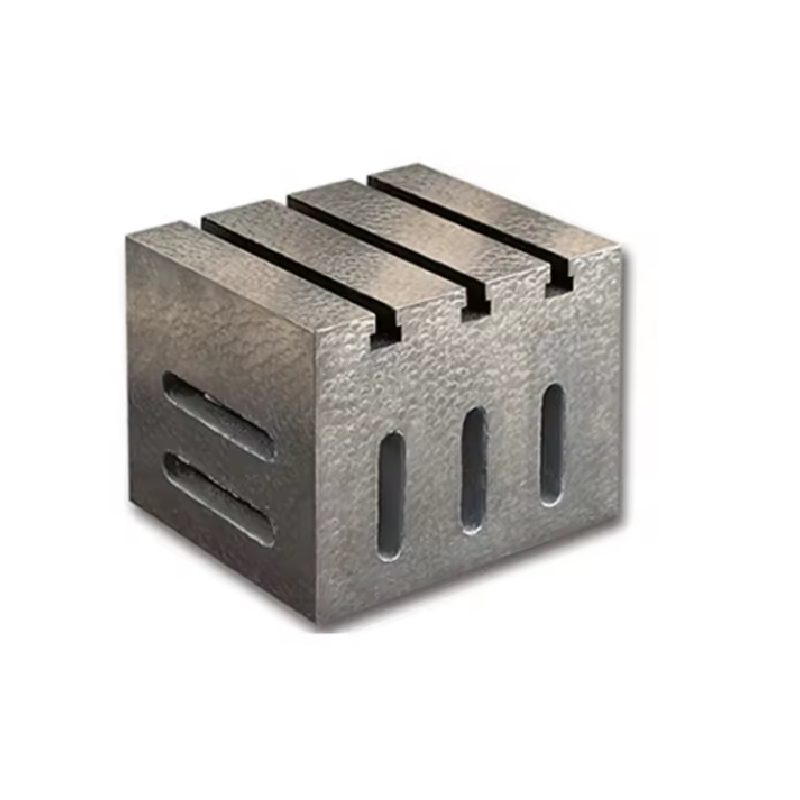
mirror design for partition
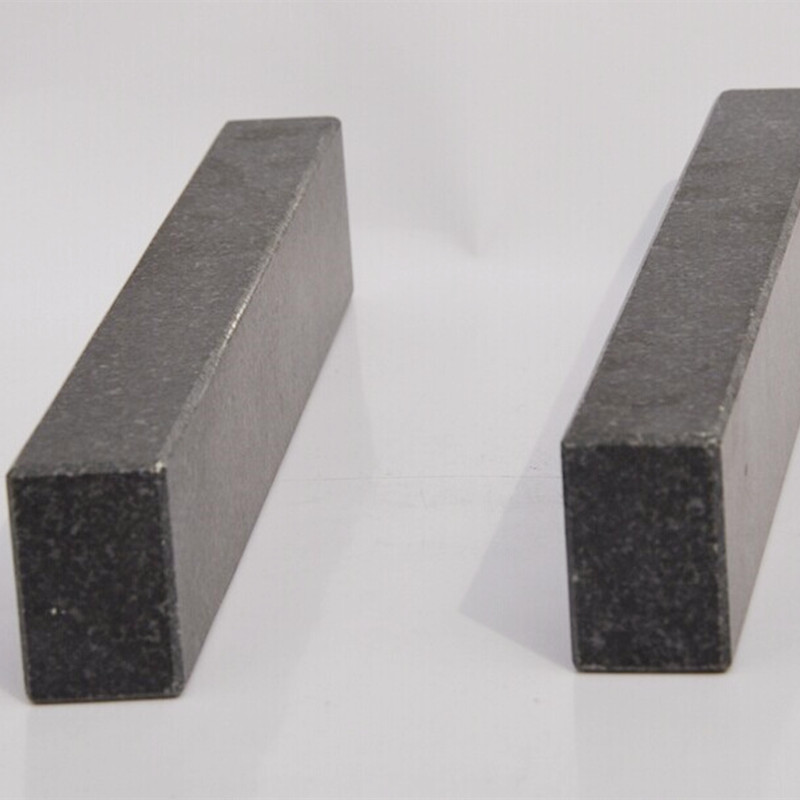
Surface Plate Calibration Ensuring Precision in Manufacturing In the realm of precision engineering and manufacturing, the surface plate calibration stands as a cornerstone for maintaining accuracy in measurement and machining processes. This meticulous procedure ensures that the reference surfaces used in various industrial applications are true to their intended flatness, parallelism, and squareness, ultimately guaranteeing the high quality of finished products. The process of surface plate calibration involves a series of steps designed to verify and correct any deviations from flatness that may have occurred over time or due to environmental factors such as temperature changes, vibration, or mishandling. Technicians typically employ specialized instruments like autocollimators, electronic levels, and laser interferometers to map the topography of the plate's surface and identify any high or low spots. One common method is the reversal technique, where the measuring instrument is placed on the plate and then both the instrument and the plate are rotated 180 degrees. Any deviations detected are then averaged out, providing a clearer indication of the plate's actual flatness. Additionally, crossing levels at 90-degree angles can determine the plate’s squareness, while parallelism is checked by comparing measurements taken across opposite sides of the plate. The importance of surface plate calibration cannot be overstated, as even minor discrepancies can lead to significant errors in the manufacturing process. For instance, if a surface plate used for machining operations is not accurately calibrated, it can result in misaligned parts or assemblies, affecting the product's performance and durability For instance, if a surface plate used for machining operations is not accurately calibrated, it can result in misaligned parts or assemblies, affecting the product's performance and durability For instance, if a surface plate used for machining operations is not accurately calibrated, it can result in misaligned parts or assemblies, affecting the product's performance and durability For instance, if a surface plate used for machining operations is not accurately calibrated, it can result in misaligned parts or assemblies, affecting the product's performance and durability surface plate calibration . In industries where exacting standards are paramount, such as aerospace and microelectronics, these inaccuracies can have catastrophic consequences. Moreover, regular calibration serves a preventive function by identifying wear and tear before it becomes a critical issue. By catching imperfections early, maintenance can be scheduled proactively, avoiding costly downtime and extending the lifespan of the equipment. It also supports continuous improvement initiatives by offering data-driven insights into the working conditions of machinery and the environment they operate in. In conclusion, surface plate calibration is an essential practice within the manufacturing sector, ensuring that tools and components meet stringent quality standards. Through precise measurement and correction, this process safeguards against inaccuracies that could compromise the integrity of end products. As technology advances and tolerances tighten, the art of surface plate calibration remains a vital skill, preserving the delicate balance between precision and performance in the world of manufacturing.
about
mirror design for partition
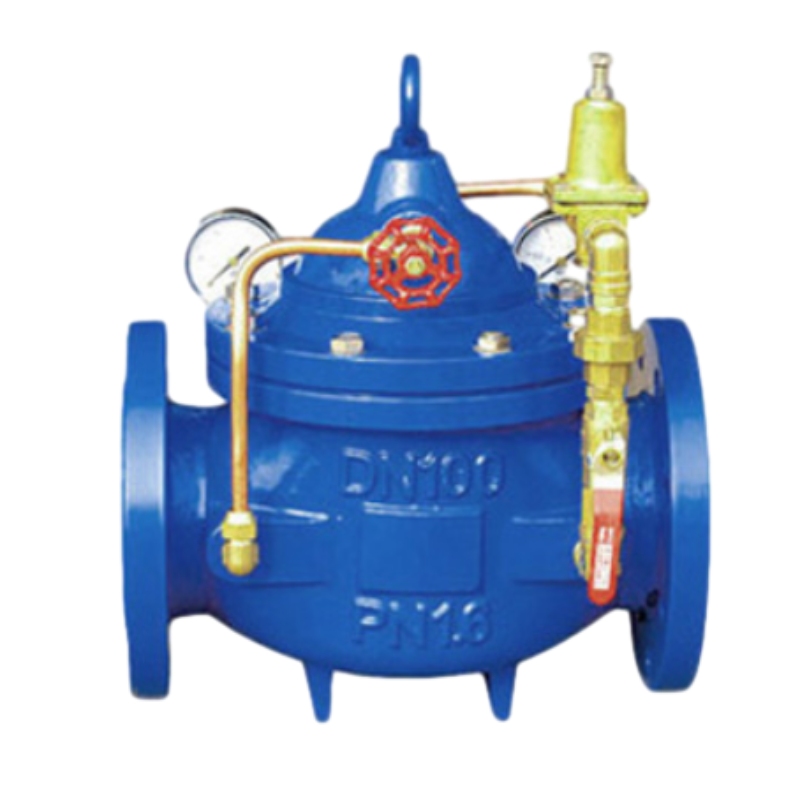
Control valve price is an important factor to consider when selecting a control valve for any application. The price of a control valve can vary depending on a variety of factors, including the type of valve, size, material, and brand. In this article, we will discuss the different factors that can influence control valve prices and provide some tips on how to get the best value for your money. One of the main factors that can impact the price of a control valve is the type of valve. There are several types of control valves, including globe valves, butterfly valves, ball valves, and diaphragm valves, among others. The complexity of the valve design and the materials used in its construction can affect the price. For example, a control valve with a more intricate design or made from high-quality materials may cost more than a simpler valve made from cheaper materials. Another factor that can influence control valve prices is the size of the valve. Control valves come in a range of sizes, from small valves used in residential plumbing systems to large valves used in industrial applications. Larger valves typically cost more than smaller valves due to the increased materials and manufacturing costs associated with their production. The material used in the construction of the control valve can also impact its price . Control valves can be made from a variety of materials, including stainless steel, brass, and plastic. Valves made from more durable and corrosion-resistant materials tend to be more expensive than those made from cheaper materials control valve price . The brand of the control valve can also play a role in its price. Well-known brands with a reputation for quality and reliability may charge a higher price for their products compared to less-established brands. However, it is important to note that price does not always equate to quality, and it is essential to research and compare different brands before making a purchase. When shopping for a control valve, it is essential to consider the total cost of ownership, not just the upfront price. Factors such as maintenance and repair costs, energy efficiency, and longevity should also be taken into account when evaluating the value of a control valve. To get the best value for your money when purchasing a control valve, it is essential to shop around and compare prices from different suppliers. Some suppliers may offer discounts or promotions that can help reduce the cost of the valve. Additionally, it is a good idea to read reviews and testimonials from other customers to gauge the quality and reliability of the control valve before making a purchase. In conclusion, control valve prices can vary depending on a variety of factors, including the type of valve, size, material, and brand. By considering these factors and shopping around for the best value, you can find a control valve that meets your needs and budget. Remember to factor in total cost of ownership and consider factors beyond just the upfront price when making your decision.
-

High quality industrial productsagement

High quality industrial products
View Details -

Meet the diverse needs of customers

Meet the diverse needs of customers
View Details -

Strict quality control

Strict quality control
View Details -

Top raw materials

Top raw materials
View Details -

Trusted supplier

Trusted supplier
View Details
Our application
news and information
Wholesale Level Insights for Effective Business Strategies and Market Growth
Understanding Level Wholesale A Comprehensive Overview In the ever-evolving landscape of retail and
Utilização de réguas paralelas
Uso do Régua Paralela Uma Ferramenta Essencial para Precisão em Desenhos e Projetos O uso da régua p
Van cổng
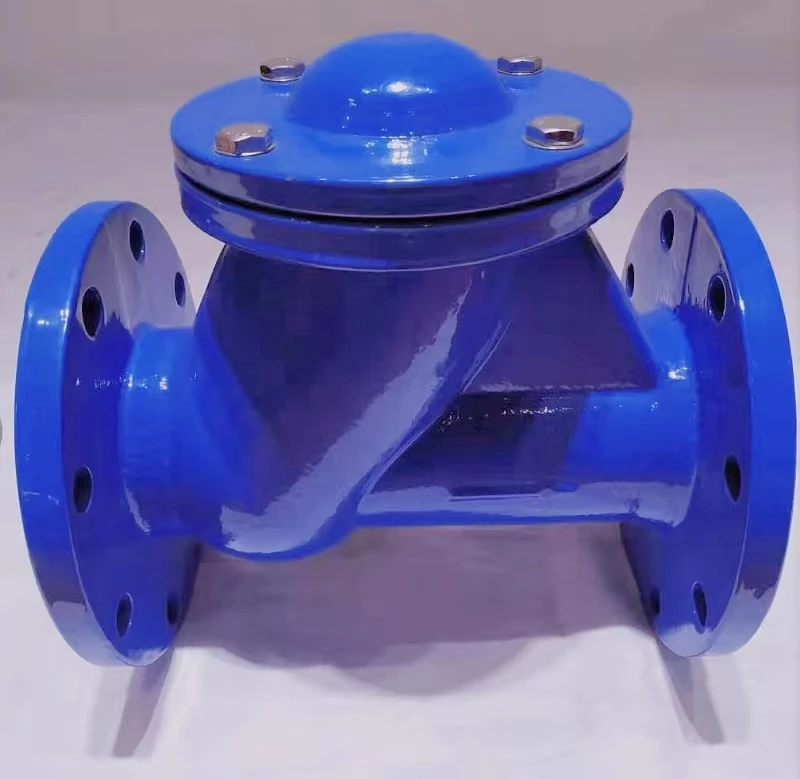
Van cổng, hay còn được gọi là van xẻng, là một trong những thiết bị quan trọng trong hệ thống đường
 English